Vinegar at Home: Useful Applications and Important Precautions
Share
A simple household product with several uses
White vinegar is inexpensive and useful for removing some mineral deposits, soap residue and odours around the home. It can be a practical option for certain cleaning tasks, but it should not be treated as a universal disinfectant or as suitable for every appliance and surface.
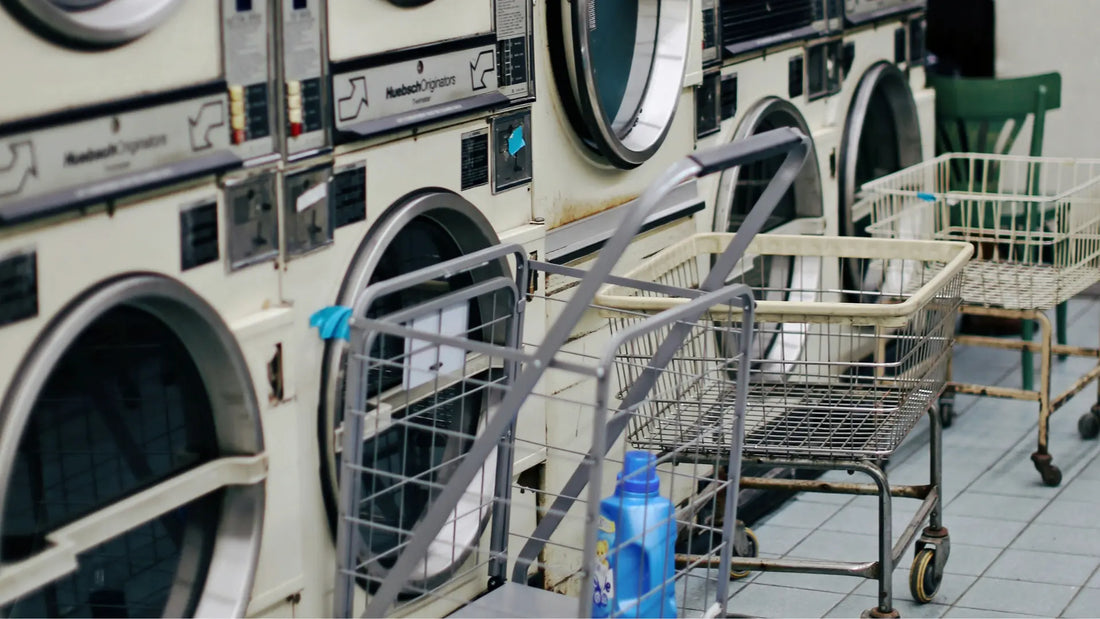
In the laundry
Small amounts of white vinegar are sometimes used in the rinse cycle to help remove detergent residue and reduce mineral build-up. Whether this is appropriate depends on the washing machine and garment-care instructions, so manufacturer guidance should come first.
Vinegar should never be mixed with chlorine bleach, because the combination can release dangerous chlorine gas.
In dishwashers
Vinegar is sometimes suggested as a substitute for rinse aid, but appliance manufacturers do not all recommend this practice. Its acidity can affect certain seals or components over time. For a dishwasher, use only methods approved by the appliance manufacturer.
Where vinegar should be avoided
Acid-sensitive materials such as natural stone, some grout, certain metals and particular finishes can be damaged by vinegar. Always check the care instructions for the surface or appliance before use.
Cleaning is not the same as disinfecting
Vinegar can help with routine cleaning, but it should not be relied upon when a proven disinfectant is required. For situations where disinfection matters, use a product and method appropriate to the surface and follow its instructions.
A measured approach
Using a simple product for suitable tasks can reduce the number of specialised cleaners kept at home. The most responsible approach is to use vinegar where it works, avoid exaggerated health claims and respect appliance and material guidance.
Continue exploring: discover a similarly practical approach to building a longer-lasting wardrobe.